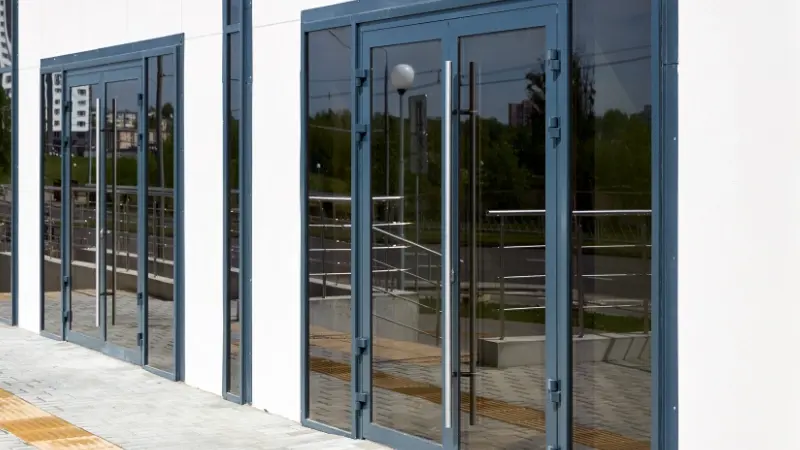
How to Inspect and Maintain Commercial Doors

How to Inspect and Maintain Commercial Doors

A damaged door can delay deliveries, weaken security, and let weather conditions in. Commercial doors also affect occupant safety, energy use, and the movement of people and equipment throughout your facility.

Planned maintenance helps you catch wear before it becomes an unexpected shutdown. For facility managers and construction teams, that means checking each door’s condition, following its operating instructions, and promptly addressing defects.

Start with a repeatable inspection routine, then adjust the schedule to match your building’s doors and daily demands.

What to Look for During a Commercial Door Inspection

Use the manufacturer’s manual as your starting point. Roll-up, sectional overhead, sliding, and fire-rated doors have different components and service requirements, so one checklist won’t cover every assembly.

Inspect Door Panels, Tracks, Seals, and Hardware

Work through each door without removing guards or reaching into moving parts:

  • Panels and hardware: Look for dents, cracks, corrosion, impact damage, and loose fasteners on hinges, rollers, and brackets.
  • Tracks and guides: Check visible tracks on sectional overhead doors, curtain guides on roll-up doors, and the tracks, guides, and travel path on sliding systems.
  • Weather seals: Look for tears, flattening, missing sections, or poor alignment. Gaps let in water, pests, and outside air.
  • Fire-rated assemblies: Use checks appropriate to the door’s rated construction.

If the door appears safe to operate, watch one complete cycle. It should move smoothly and sit squarely when closed. Apply lubricant only where the manufacturer specifies.

Test Openers, Sensors, Locks, and Safety Features

Ensure pedestrians, vehicles, and equipment are clear during testing, then follow the manufacturer’s procedures to check:

  • Controls and operators: Normal controls, locks, and operator response.
  • Photo eyes: Check for obstruction or damage.
  • Safety devices (where installed): Test safety edges, reversing functions, warning alarms, and emergency releases exactly as directed by the manual.
  • Pedestrian doors: Reliable latching and exit hardware that works as intended. Security hardware must never block required emergency egress.

Don’t improvise an obstruction test or bypass a device that interrupts operation. If a test produces unexpected movement or a failed safety response, stop using the door, record the failure, and arrange service.

Implement a Commercial Door Maintenance Schedule That Aligns With Your Site

Inspection frequency should reflect operating conditions, manufacturer guidance, and applicable requirements. Assign an owner to each task so maintenance doesn’t depend on someone noticing a problem.

Match Checks to Traffic, Weather, and Door Type

Include brief visual checks during regular facility rounds. Then schedule more thorough inspections and servicing at intervals appropriate to each door.

High-cycle warehouse doors experience repeated mechanical wear. Loading dock doors face forklift impacts and heavy traffic, while exterior doors endure rain, wind, temperature changes, and corrosion. Adjust checks when operating hours increase or conditions worsen.

Door type

Main source of wear

Focus checks on

High-cycle warehouse doors

Repeated mechanical cycling

Rollers, hinges, tracks, operators

Loading dock doors

Forklift impacts and heavy traffic

Panels, tracks, guides, alignment

Exterior doors

Rain, wind, temperature swings, corrosion

Seals, finishes, fasteners, closure

Fire-rated doors

Code compliance

A separate compliance plan


Fire-rated doors need a separate compliance plan. According to NFPA’s fire door guidance, NFPA 80 requires inspection and testing after installation and at least annually afterward. Confirm the adopted code and local requirements for your building. Daily observations don’t replace required inspections or qualified service.

Keep Maintenance Records and Track Repeat Problems

Give each door a location or asset number, and log the following against it:

  • Inspection dates, defects, and repairs
  • Replacement parts and technician visits
  • Manufacturer, model, manuals, and service contract

These details help technicians identify the correct assembly and reduce delays when ordering parts. Name the person responsible for reviewing findings and authorizing repairs. A recorded defect still needs a deadline and follow-up.

Watch for repeat problems like recurring sensor faults, damaged seals, or misalignment. Maintenance records can reveal impact patterns, unsuitable components, or installation issues. They also support repair budgets and future construction decisions, including door selection, protective bollards, and loading dock layouts.

Know When Commercial Door Repairs Need a Professional

Routine observation helps identify problems early. However, repairs involving stored energy, powered equipment, or rated assemblies require training and door-specific knowledge.

Take Unsafe Doors Out of Service

Stop using a door immediately if it:

  • Leaves its track, drops unexpectedly, or moves unevenly
  • Has damaged cables or broken springs
  • Makes grinding noises
  • Has a failed safety device
  • Won’t latch, which can compromise security, fire protection, and daily operations

Secure the area and redirect traffic without blocking required exits. Follow your site’s safety and applicable lockout/tagout procedures before inspection or repair. Don’t assume disconnecting electrical power removes stored mechanical energy.

OSHA’s General Duty Clause requires employers to address recognized hazards that could cause death or serious physical harm. Arrange qualified service rather than continuing operation around a known hazard.

Leave High-Risk Components and Fire Doors to Trained Technicians

Don’t adjust high-tension springs, cables, counterbalance systems, or powered operators without the necessary training. These components can release stored energy or move unexpectedly.

A qualified technician should diagnose the fault, identify compatible parts, and verify operation after repairs. Share maintenance records before the visit so recurring problems receive attention.

Fire-rated doors need extra care:

  • Keep their travel path clear, and never wedge them open or disable closing mechanisms.
  • Make repairs that preserve the rated assembly, using compatible hardware and approved methods that follow applicable codes and manufacturer instructions.
  • Have personnel qualified for that system test rolling fire doors.

Before service begins, plan repair access and alternate delivery routes to limit disruptions.

Put Door Maintenance Into Daily Practice

Reliable commercial doors come down to regular checks, a site-specific schedule, and records that lead to action. Start by reviewing your door inventory, assigning an owner for inspections, and confirming every door has accessible instructions and a clear service contact.

When the fix goes beyond routine upkeep, such as a damaged dock door, a recurring impact problem, or a layout that keeps putting doors at risk, the right construction partner makes a difference. Moltus Building Group helps facility teams plan and complete repairs, upgrades, and improvements that keep operations moving safely.

Learn more about our commercial facility services, or contact the Moltus team today to talk through your facility’s needs.

Frequently Asked Questions

How often should commercial doors be inspected?

It depends on door type, traffic, weather exposure, and manufacturer guidance. Most facilities pair quick visual checks during regular rounds with scheduled, more thorough inspections. NFPA 80 requires fire-rated doors to be inspected and tested at least annually.

What should a commercial door inspection include?

Check panels, hardware, tracks or guides, and weather seals for damage or wear. Then test controls, locks, photo eyes, safety edges, and reversing functions following the manufacturer's procedure, and confirm the door cycles smoothly and closes squarely.

When should a commercial door be taken out of service?

Stop using a door if it leaves its track, drops unexpectedly, moves unevenly, makes grinding noises, won’t latch, or has damaged cables, broken springs, or a failed safety device. Secure the area and arrange qualified service.

Can facility staff repair commercial door springs?

No, not without proper training. High-tension springs, cables, and counterbalance systems store energy that can release suddenly, even with the power off. Send these repairs to a qualified door technician.

What records should be kept for commercial door maintenance?

Track each door by asset number, logging inspection dates, defects, repairs, replacement parts, and technician visits. Keep the manufacturer, model, manuals, and service contact on file so you can spot and fix repeat problems more easily.

Get Moltus Insights Instantly!

Get Started With Moltus

Have a question? Ready to get started with a project?

Building Repairs and Compliance: What Facility Managers Must Know

Building Repairs and Compliance: What Facility Managers Must Know

Learn how building repairs can impact compliance, safety, and inspections, and what facility managers should prioritize first.
Read More
Commercial Windows: Balancing Durability, Efficiency, and Aesthetics

Commercial Windows: Balancing Durability, Efficiency, and Aesthetics

Learn what to consider when choosing commercial windows, including durability, energy efficiency, aesthetics, maintenance, and long-term performance.
Read More
Steel Bollard Installation: How to Protect Buildings & Equipment

Steel Bollard Installation: How to Protect Buildings & Equipment

Learn how steel bollard installation protects commercial facilities and what it takes to plan, build, and maintain them the right way.

Read More