Commercial Siding Repairs vs. Replacement: How to Decide

Commercial Siding Repairs vs. Replacement: How to Decide


Damaged exterior panels can create an expensive dilemma for a building owner. When commercial siding fails, a quick patch may solve the problem, or it may hide damage that continues behind the wall.

The right choice depends on the material, damage location, building age, water risk, energy needs, appearance, budget, and future plans for the property. A close inspection turns that uncertainty into a practical scope of work.

When Commercial Siding Repair Is Enough

Repair is usually the right move when damage is isolated and the surrounding wall is still sound. Good candidates for repair include:

    • Cracks, dents, or loose panels
    • Failed fasteners
    • Minor flashing issues
    • Small, contained water damage
    • Storm damage, vehicle impact, or a single fastener failure

Before approving a repair, confirm that:

    • Panels surrounding the damage are stable
    • There are no interior leak stains, musty odors, or wet insulation
    • Sheathing and insulation behind the panel are intact
    • Matching panels, trim, sealants, and finishes are available

If replacement materials don’t match, a repair can stand out visually. Before signing off on a small fix, a contractor should also check behind the affected commercial siding for hidden damage or potential water-entry points. 

When Full Siding Replacement Is the Smarter Move

Recurring leaks are usually a sign that the visible defect is only part of the story. Replacement deserves serious consideration when you’re seeing:

    • Corrosion across broad areas
    • Widespread panel warping or fading
    • Sections that repeatedly loosen or go missing
    • Damaged sheathing, framing, insulation, or air/water barriers

Replacing the full siding system can improve weather resistance, insulation performance, appearance, and long-term maintenance planning. Still, it requires a larger budget, a longer schedule, and more coordination with facility operations.

What’s Really Behind Your Siding

The exterior finish is just one layer of the wall system. Behind it, you’ll typically find underlayment, flashing, insulation, sheathing, sealants, structural supports, and fire-related details. A low repair price offers little value if water has already reached those hidden components.

That’s why a documented condition assessment should precede any scope approval. A thorough assessment includes:

    • Exterior photographs
    • Interior leak checks
    • A review of past repairs
    • Moisture testing when conditions warrant it
    • Inspection of joints, corners, penetrations, roof connections, door/window openings, and base details
    • Confirmation of current safety, fire protection, and energy performance requirements

Water can travel behind commercial siding long before it shows up indoors, sometimes far from where it first got in. This is also where pricing shifts most, based on building height, access equipment, material type, labor, permits, demolition, disposal, and any occupied-facility restrictions.

Comparing Short-Term Price and Long-Term Value

The lowest bid isn’t always the best value. It can become the most expensive option if it leaves moisture damage or repeat service calls unresolved because moisture risk depends on the whole wall assembly, not just the surface layer.

When both repair and replacement are realistic, request written proposals for each and compare:

    • Materials and labor
    • Lifts or scaffolding
    • Demolition and disposal
    • Weather and interior protection
    • Schedule and warranties
    • Expected maintenance and likely future repairs

Replacement tends to offer better value when it reduces downtime, protects inventory, improves indoor comfort, or supports a planned renovation. A newer building with isolated damage, on the other hand, often benefits most from a focused repair.

Your Step-by-Step Plan, From Inspection to Completion

    1. Document the damage. Flag urgent risks first: active water entry, unstable panels, sharp exposed edges, or blocked access routes.
    2. Get a qualified inspection. Have an experienced commercial contractor assess both the siding and the wall assembly behind it.
    3. Request both scopes. Ask for repair and replacement proposals whenever both are realistic options.
    4. Verify materials. Confirm colors, profiles, coatings, flashing, and sealants are compatible with the existing system.
    5. Coordinate the full envelope. Sequence siding work with roofing, doors, windows, mechanical penetrations, drainage, and site access.
    6. Plan for occupied facilities. For active warehouses, offices, and industrial sites, build a plan that protects people, inventory, traffic flow, and production schedules.

Questions to Answer Before Work Begins

    • What’s the confirmed source of the damage, and what’s included in the scope?
    • Are there hidden components the proposal doesn’t account for?
    • What’s the warranty coverage, and what permits and insurance coordination are needed?
    • Will any shutdowns or temporary weather protection be required?
    • How will the crew manage dust, noise, debris, public access, deliveries, and business interruptions?

Regular inspections during the work catch issues with flashing, sealant, or panel alignment before closeout, which is far cheaper than fixing them after the fact.

Choosing a Commercial Siding Contractor

Commercial siding work requires more than residential patching skills. Look for a contractor with:

    • Experience on similar building types
    • Qualified, trained tradespeople
    • A strong safety record
    • Dependable subcontractor relationships
    • Clear ownership of procurement, site work, scheduling, and quality control

Make the Decision Before Damage Spreads

Repair is usually the right fit for isolated damage in an otherwise healthy wall system. Replacement merits serious consideration when failures are widespread, hidden moisture is present, or existing siding no longer supports the building’s performance needs.

Moltus helps commercial building owners make facility maintenance calls with confidence, starting with a thorough inspection and a clear, honest comparison of repair versus replacement costs. Contact Moltus today and get ahead of the damage before it spreads.

Frequently Asked Questions

How do I know if my commercial siding needs repair or full replacement?

It usually comes down to scope. If damage is isolated, the surrounding wall is sound, and there’s no sign of moisture behind the panels, a repair is often enough. If corrosion, warping, or leaks are widespread, or if moisture has reached the sheathing or insulation, replacement is typically the more reliable long-term fix.

How much does commercial siding replacement cost?

Costs vary based on building height, access equipment, material type, labor, permits, demolition, and disposal, as well as whether the facility stays occupied during the work. A written proposal from a commercial contractor, based on an on-site assessment, is the most reliable way to get an accurate number.

Can commercial siding be repaired if there’s water damage?

Sometimes, but only if the water damage is contained and the sheathing and insulation behind the panel are still intact. Widespread or recurring moisture usually points to a larger problem that a patch won’t solve.

How long does a commercial siding replacement project take?

Timelines depend on building size, material availability, weather, and occupancy needs. A qualified contractor should be able to provide a realistic schedule as part of their proposal.

What siding materials are used on commercial buildings?

Common options include metal panels, insulated metal panels, fiber cement, and vinyl siding. Each has different installation requirements, service life, and repair options, so the right choice depends on the building's use, exposure, and structure.

Get Moltus Insights Instantly!

Get Started With Moltus

Have a question? Ready to get started with a project?

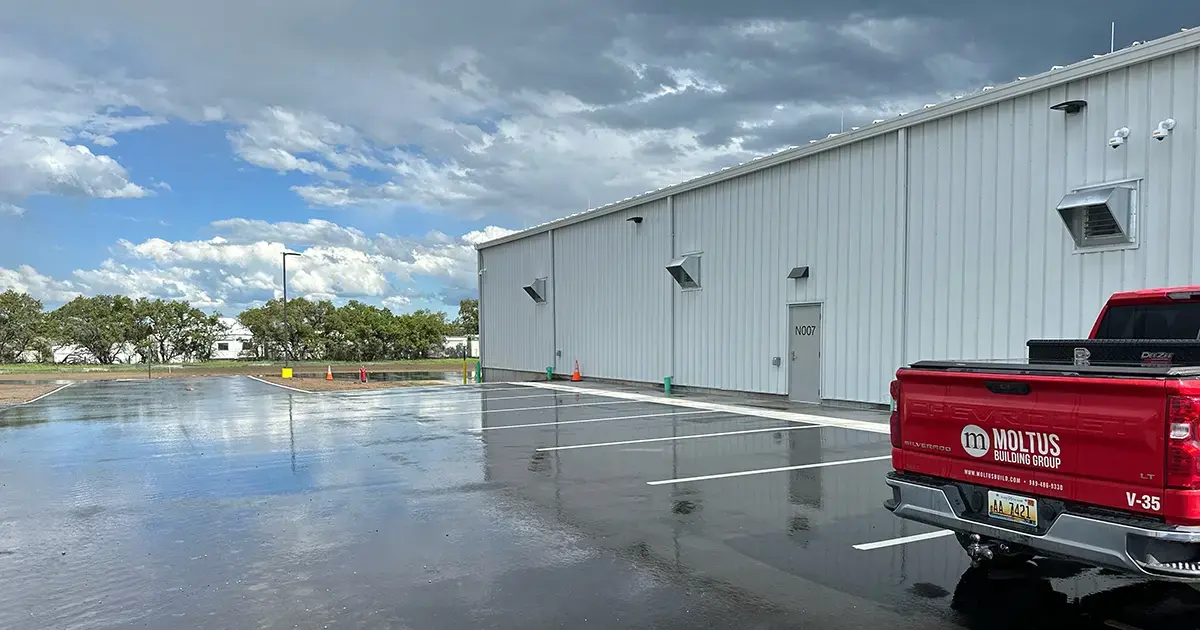
How Commercial Electrical Repairs Keep Facilities Safe and Operational

How Commercial Electrical Repairs Keep Facilities Safe and Operational

Learn how commercial electrical repairs protect your facility, reduce downtime, and keep employees safe, as well as when to call a professional.
Read More
Commercial Masonry Maintenance: Extending the Life of Your Building

Commercial Masonry Maintenance: Extending the Life of Your Building

Learn how masonry maintenance helps protect commercial buildings from water damage, cracks, costly repairs, and long-term deterioration.
Read More
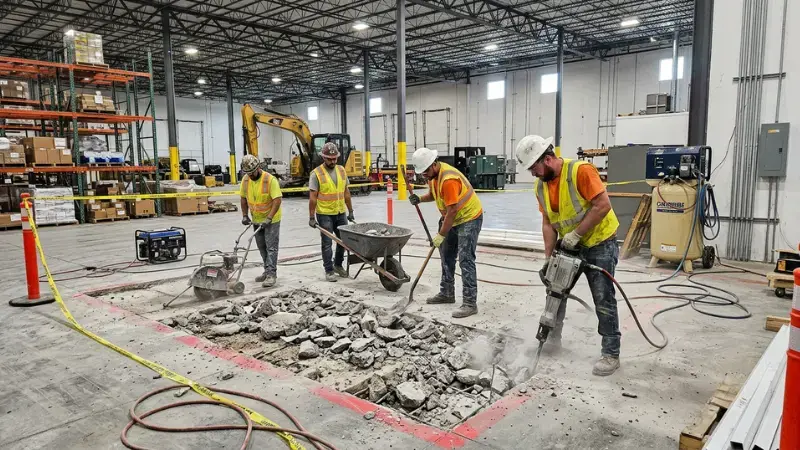
How to Plan Concrete Removal Without Disrupting Facility Operations

How to Plan Concrete Removal Without Disrupting Facility Operations

Learn how to plan commercial concrete removal in active facilities: scope, phasing, dust control, and sequencing done right to protect uptime.

Read More