

A loose handrail, a roof leak, or a sticking exit door can look minor. However, if left alone, a small defect can quickly turn into an injury risk, a failed inspection, or a shutdown that costs more than the repair itself.
For facility managers, building repairs are tied to far more than appearance or comfort. They affect code compliance, fire protection, accessibility, safe occupancy, and the records you need when an inspector asks what was fixed, when, and how. This is why repair work needs a clear process and proven facility services plan.
Not every repair deserves the same level of urgency. A stained ceiling tile and a broken panic bar are not equal priorities, even if both show up on the same walk-through.
Facility managers should prioritize repairs based on risk to people, operations, and code compliance. Top-priority issues usually include:
Cosmetic fixes can usually wait; repairs that affect safety, access, or building performance can’t be ignored.
Fire protection systems, emergency lighting, exit doors, and electrical panels require prompt action when they fail or show signs of damage. The same goes for roof leaks near energized equipment and structural cracks that may spread.
A delayed repair in one of these areas can create two problems at once. People may not be protected during an emergency, and the condition could put the building out of compliance if an inspector notices it.
Certain building repairs can create additional accessibility rules. That matters even more when the work is part of a larger upgrade or tenant improvement.
Replacing a damaged entry door may seem simple. However, door width, hardware, threshold height, and opening force may all come into play. The same is true for restroom repairs, parking lot work, or a new ramp.
Changes in building use also matter. If a storage area becomes office space, or an occupant changes how a space is used, the repair may connect to a broader compliance review. That is why facility managers should check requirements early, before crews arrive and materials are ordered.
Good building repair work is not just about fixing the physical problem. It is also about demonstrating that the issue was identified, correctly scoped, assigned to the right trade, and fully closed out.
A repeatable process helps keep details from slipping through the cracks. It also makes it easier to answer questions from inspectors, insurers, tenants, or internal teams later.
Before work begins, gather the information that field teams and contractors may need, including:
These records give crews the context they need to diagnose the problem correctly and avoid treating a repeat failure like a one-time issue. They also help reduce guesswork, improve coordination, and create a record that the repair was completed properly and on time.
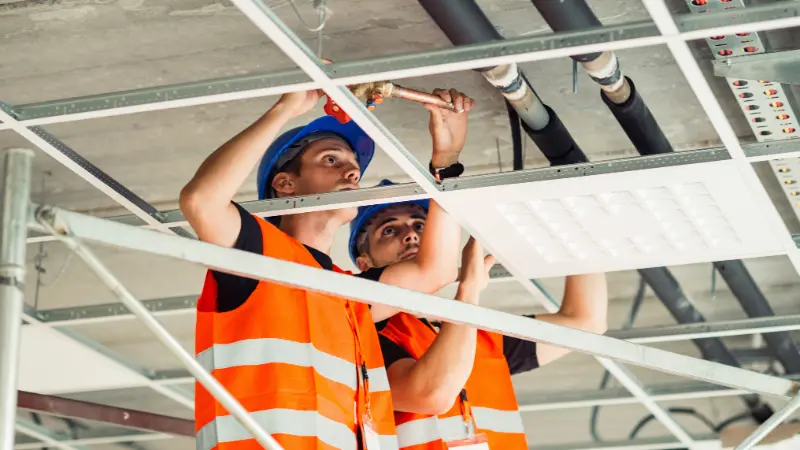
Electrical, plumbing, mechanical, structural, and fire protection repairs often require added oversight or review. Before work begins, facility managers should confirm whether the job involves:
Facility managers should also coordinate schedules, access restrictions, shutdown windows, and inspection needs with internal teams, contractors, and safety staff so one repair does not create problems elsewhere in the facility.
Smart repair planning weighs downtime, safety, code impact, risk of repeat failure, and total life-cycle cost. A quick patch or temporary fix may buy time, but long-term solutions should be prioritized.
Temporary building repairs can make sense for problem control after storm damage, during material delays, or when a shutdown window is still weeks away.
When a temporary fix is used, facility managers should:
Many compliance problems start when a short-term patch stays in place far too long. Over time, the condition becomes normalized, even though the hazard has never actually left.
The best way to manage repair risk is to catch problems before they fail in service. Preventive maintenance gives facility managers that chance.
Routine preventive work may include:
Preventive work also improves budgeting. Instead of reacting to failures, teams can plan, compare options, and schedule work with less disruption.
Building repairs are not just about fixing visible damage. They also need the right scope, the right trade, and the right documentation to support safe operations and compliance. Moltus Building Group helps facility teams prioritize repair needs, coordinate corrective work, and keep projects moving with less disruption.
Contact Moltus to discuss commercial building repairs that support safety, performance, and long-term facility reliability.
Partner with Moltus Building Group for commercial and industrial facility maintenance services backed by experienced management, modern solutions, and reliable project delivery. We help maintain operational efficiency, safety and compliance, improved appearances, and cost savings.