

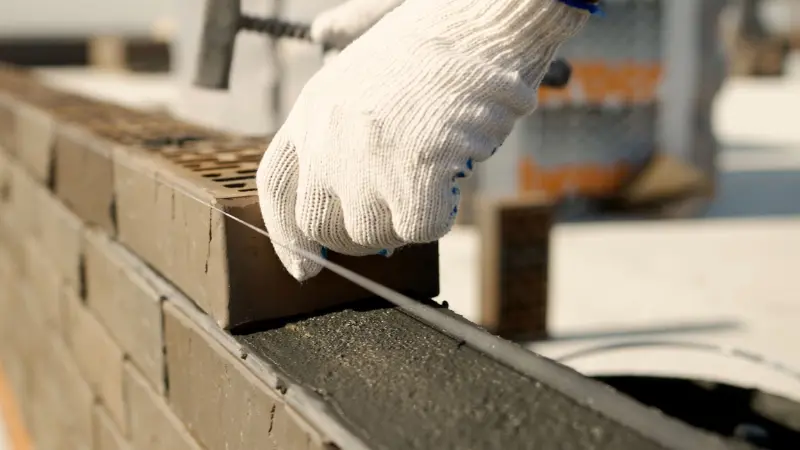
A hairline crack in a commercial wall can turn into a costly repair faster than most owners expect. What looks minor today can open the door to water, safety issues, and tenant complaints tomorrow.
That is why masonry maintenance matters. Routine care helps you catch damage early, protect the building envelope, and avoid repairs that disrupt operations. For owners, facility managers, and project teams, the goal is simple: keep small problems from becoming capital projects.
A commercial masonry wall does more than hold its shape. It helps resist weather, controls moisture, supports energy performance, and gives the property a solid, well-kept appearance.
When maintenance slips, several risks can show up at once, including:
In other words, masonry care protects both the building’s performance and the way people experience the property.
Small defects rarely stay small. A thin crack in mortar or brick lets moisture in, and that moisture keeps damaging long after the rain stops.
Over time, the problem can progress in stages:
Settling can add even more stress, especially on older buildings or walls with past patch repairs. That is why small cracks should be watched closely and repaired before they spread.
Water causes most masonry damage, and it often enters slowly. A failed sealant joint, a blocked weep, a cracked coping, or damaged flashing can allow moisture to enter brick, block, stone, and mortar.
Once water gets inside, it can stain interior finishes, damage insulation, and raise the chance of mold. It can also weaken mortar bonds and speed up surface breakdown. That is why many costly repairs begin with a seemingly minor leak.
A good maintenance plan does not need to be complicated. It needs to be consistent, well-documented, and tied to how the building handles weather throughout the year.
The best plans combine regular reviews, timely repairs, and clear documentation, so facility teams can act before minor issues become urgent.
Most commercial buildings should get a visual masonry inspection at least twice a year, usually in spring and fall. Seasonal checks matter because winter can open joints, while summer storms can expose drainage problems.
During inspections, look closely at:
For facility teams, the biggest benefit is trend tracking. Photos and notes make it easier to compare conditions over time.
Dirt, biological growth, and pollution do more than hurt appearance. They can hold moisture against the wall and hide early signs of damage. Safe cleaning removes that buildup and makes inspections more useful.
Repointing is just as important. When mortar joints start to crack, recede, or crumble, replacing the damaged mortar helps restore the wall’s weather resistance. Done at the right time, repointing can extend wall life without replacing large areas of brick or block.
The key is using the right methods. Harsh cleaning or mismatched mortar can create new problems instead of fixing old ones.
Masonry maintenance is not only about bricks and mortar. The wall depends on support systems that direct water out before it causes damage.
Those systems include:
If one of these systems fails, water can move behind the facade or collect where you cannot see it. The wall may look sound from the outside while trouble builds inside. That is why support systems should be part of every masonry maintenance review.
Routine upkeep handles minor wear, early joint failure, and surface cleaning. More serious conditions require a contractor with commercial masonry experience, proper access equipment, and a clear scope of repairs.
The difference usually comes down to depth and cause. If the issue appears isolated and stable, a site team may be able to manage temporary protection or minor housekeeping. If the cause is unclear, the damage keeps returning, or the wall shows signs of deeper deterioration, it is time to bring in a specialist.
Some warning signs point to deeper building problems. Watch for:
These symptoms can mean hidden moisture, structural movement, poor drainage, or long-term neglect. In those cases, surface repairs alone rarely last.
Good repair work costs less over the life of the building because it fixes the causes, not just the symptoms. That means fewer emergency calls, less disruption for tenants, and better budget control.
Planned masonry repairs also protect occupancy. When walls stay dry and stable, you reduce the risk of interior damage, falling material, and shutdowns around entrances or loading areas.
Masonry issues are easy to overlook until they start affecting the way a building looks, performs, or protects the people inside it. Small cracks, open joints, failed sealants, and water intrusion can all lead to more extensive repairs if not addressed early.
A proactive masonry maintenance plan helps extend the life of your building, reduce unexpected repair costs, and keep your commercial or industrial facility safe, dry, and ready for daily use.
If your building is showing signs of masonry wear, Moltus Facility Services can help you evaluate the issue, prioritize repairs, and maintain the parts of your facility that support long-term performance.
Partner with Moltus Building Group for commercial and industrial facility maintenance services backed by experienced management, modern solutions, and reliable project delivery. We help maintain operational efficiency, safety and compliance, improved appearances, and cost savings.